
16 Essential Safety Tips for Hiking with Kids

Hiking is an awesome way to spend time with your kids, enjoy time together, and experience nature. This post is full of tips for how to safely hike with kids!
Many years ago, I was a wilderness adventure trip leader. For two amazing summers, I led groups of 18 kids, ages 12 to 18, on incredible outdoor adventures. For two to four weeks, we camped every night, explored national parks, climbed mountains, canoed through the backcountry, and so much more.
So I know a few things about how to hike with kids and teenagers and do it safely!
Now, as a parent, I absolutely love hiking with my kids. I started hiking with my children when they were very young. Over the years and around the globe, they’ve become enthusiastic hikers.
Because of all the miles I’ve hiked with teens and kids, I have a lot of safe hiking tips!
Whether you’re a first-time hiker or an experienced hiker, hiking with kids can be a bit more challenging, unpredictable, and entertaining than hiking alone! Before taking your first hike (or your next hike) with kids, read these important hiking safety tips!
These basic safety rules and hiking tips will ensure you have a safe family hiking adventure in the great outdoors!

Best Safety Tips for Hiking with Kids
Here are the essential tips you need to know to safely hike with your kids or take a group of kids hiking.
Hiking with kids is so much fun, but there are a lot of safety concerns that you need to be aware of and plan for before you start hiking. With these hiking safety tips, you’ll be ready for an awesome day of hiking with your children or teens!


1. Bring lots of water
So many hikers underestimate how much water they’ll need. Don’t be one of those hikers!
The standard recommended amount of drinking water to take on a walk is one-half liter (about 16 ounces) for every hour of hiking, per person.
This means that if you’re hiking for four hours, you should drink two liters of water.
If you are hiking in a high altitude climate, a hot, dry climate, or in hot weather, you should pack a liter of water for every hour of hiking, per person.
If you’re planning on hiking for an entire day, pack an extra liter of water, per person, just in case the hike takes longer than you expect or a water bottle leaks.
Water is heavy, and no one wants to be weighted down by a super heavy backpack. But taking plenty of water on your hike is absolutely worth it!
Every year, rescue teams have to search for people who didn’t take enough water on their hike and suffered heat exhaustion or sun stroke.
It’s much, much better to regret hauling extra water than to regret not bringing enough.
Plan on each person drinking at least 16 ounces of water every hour.
Small children might need less. Let everyone carry their own drinking water for the day, then stuff a few extra bottles into the adults’ backpacks.
Classic Nalgene water bottles and stainless steel water bottles are both very popular. Some hikers prefer a hydration bladder.
2. Check the weather
Just because yesterday’s weather was beautiful or this morning is lovely, there’s no guarantee of what the weather will be like later in the day.
Before you set foot on the trail, check the weather forecast for the day. Weather on the trail can change quickly.
When hiking in the mountains, it’s particularly important to be aware of how the weather may change or that temperatures might be quite different at the top of the mountain than at the bottom.
If you’re hiking in an unfamiliar area, note that weather patterns might be different from what you’re used to at home. In some areas, the weather can change quite quickly.
Plan your outdoor activities around the weather forecast. This might mean hiking very early in the day if the afternoon is expected to be hot. Or you might have to postpone a hike for a day or two if there’s going to be inclement weather.

3. Choose the right trail
Perhaps the most important part of the hiking planning process is to choose the right trail!
While it’s always a good idea to check the safety of a trail, doing so is particularly important when you’re hiking with kids.
Look for a trail that won’t be too hard or too long for your child to hike safely.
Get recommendations from AllTrails and read trail reviews before choosing a trail. People share detailed trail descriptions here, so it’s a great source of information.
If you’re not familiar with the area where you’ll be hiking, ask locals for advice. Stop in at any outdoor gear store, whether it’s a local independent shop or an REI, and ask the employees for advice on which trails to hike and what you should be aware of.
Don’t rely on past experience. If you hiked a trail a few years ago, don’t assume that it’s the same as it was then. Erosion, climate change, or trail maintenance may have substantially altered the trail.
4. Tell someone your plan
Before you leave, know what trail you’re going on, how long the hike should take, and approximately when you’ll return—and tell a family member, friend, or neighbor!
If you’re traveling in a foreign country and don’t know anyone there to tell, you can tell someone at the front desk of your hotel or hostel.
If that’s not an option, text someone at home with your GPS coordinates. Tell them you’ll text when you complete the hike and when they should expect to hear from you (Don’t forget!).
Give yourself a buffer of time, in case the hike takes longer than you expected. Be sure to include the time zone when you specify the time you’ll be done.
At the very least, leave a note on the dashboard of your car, visible from the outside, when you park at the trailhead. Note your name, the date, and when you expect to be back. Then if park rangers check the trailhead, they’ll know whether or not they should worry.
Informing someone about your hiking plan is a great way to be sure someone will notice if you and your kids don’t return at the expected time.

5. Stay together
Instruct your kids to stop at every trail junction.
Whenever the trail splits, anyone at the front of the group waits for everyone at the back of the group. This prevents part of the group from going the wrong way and getting separated from the rest of the group.
If anyone needs to return to the car for something, everyone returns to the car together. It’s too risky that the one person alone won’t be able to catch up with everyone else or might get lost.
If you have multiple kids or are hiking with a large group of kids, make them pair off using the buddy system, so that everyone has someone to look after. That way, if anyone gets lost, they won’t be alone.
Also, if you’re hiking in an area known for dangerous wildlife, everyone should stay together as a group.
6. Keep each other in sight
If your children are older and you want to give them some freedom to explore, let them go ahead of you. But be sure they keep you in sight.
Your kids should be able to see you from wherever they are on the trail. If they get so far ahead that they can’t look back and see you, then you can’t see them either.
You might have an easier time keeping up with the whereabouts of young children than teenagers, but everyone should know not to wander so far ahead that you lose sight of each other.
7. Stay on the trail
If your kids are new hikers, you may have to repeat this phrase a few times.
The hiking trail is the designated path for a reason. Walking off the trail can be dangerous. Risks range from poison ivy to steep drop-offs.
Learning to stay on the trail when the adjacent area isn’t dangerous is very good practice for staying on the trail when the off-trail area is dangerous.
Explain to your kids that the area off the trail is for the native plants and wildlife, not for you.


8. Give every kid a backpack
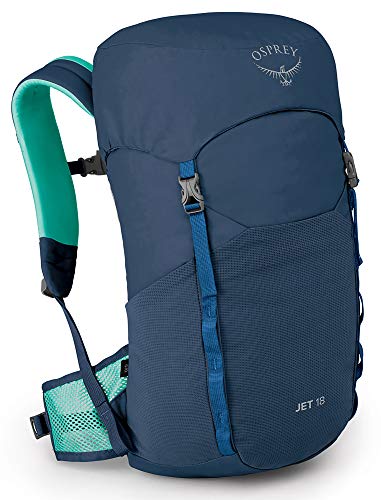
Parents don’t have to haul everything on a family hike! One of my tips for hiking with younger children is to let them carry their own pack.
Give every kid a lightweight daypack that fits them comfortably.
Each child’s backpack should contain essentials like:
- snacks
- a water bottle
- a mini first-aid kit with bandages
- a mini emergency kit with a safety whistle, and a small flashlight
- sweatshirt or sweater
- rainjacket
This is a small way to foster independence and self reliance in kids, even at a young age.
9. Don’t touch or feed wildlife
If you see signs of wildlife while you are hiking, be extra vigilant.
If you encounter any wild animals while on the trail, keep your distance and back away slowly. Do not run. Most animals will not attack you unless they feel threatened.
Before hiking in remote areas, find out if the area is known for having black bears, a mountain lion, or any other wildlife.

10. Wear good hiking shoes
Wearing the right gear on a hike will make everyone more comfortable and safer.
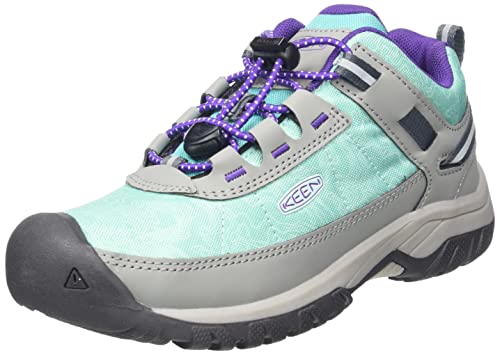
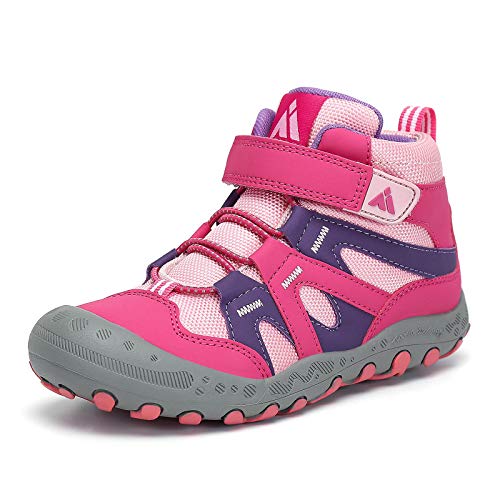
Hiking boots or hiking shoes are the best option. High-quality, waterproof kids hiking boots will keep your feet warm and dry and prevent injury.
Hiking shoes are the most important part of the hiking wardrobe!
If your kids are hiking for the first time, have them wear a pair of sturdy athletic shoes with a good tread. Be sure your kids wear shoes that are comfortable, so they don’t get blisters on the hike.
11. Wear the right clothing
Wear clothing in bright colors that would be easy to spot if someone is lost or injured.
Wear comfortable, breathable socks. I personally love Smartwool socks for hiking.
Choose clothing weather appropriate clothing. Wear light, loose clothing when it’s hot. And wear layers, a jacket, and a warm hat when it’s cold.
Always throw an extra layer and a rain jacket into your backpack.
Remember, there’s no bad weather, just bad clothes for the weather!

12. Be careful around water
Streams, waterfalls, rivers, and lakes are beautiful to look at, but they pose many hidden dangers.
Be extremely careful around water on the trail, especially when you’re hiking with kids. Never let kids play around waterfalls or on slippery rocks.
Also never drink from unfiltered water sources. While backcountry lakes and streams might look crystal clear, they’re almost certainly full of bacteria that will make you extremely ill.
13. Never play hide and seek on trails
It’s much easier to get lost in the woods than kids realize, so don’t allow your kids to play hide and seek while hiking.
If your kids are getting bored when you’re hiking, encourage them to look for things around them by playing I-Spy or looking for things on nature scavenger hunts.

14. Get emergency first aid training as a family
It’s never a bad idea for kids to know some basic first aid skills. If you have older children, sign your whole family up for CPR and first aid training before your trip.
If you do a lot of hiking, you might want to consider having the adults and teens in your family take a wilderness first aid course or a survival skills training course.
15. Make an emergency plan
When hiking with kids, you need to have a safety plan for what you would do in the case of an emergency.
Put sets of car keys in two different backpacks, so that if one set of keys get lost, you’ll have a back up.
Make sure all adults and teenagers understand the route you’re taking and how to get safely back to the trailhead.

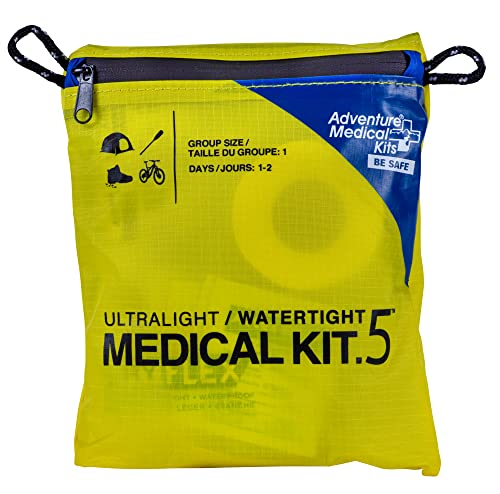

16. Take these things with you on a hike
Being prepared for a small problem or a serious emergency is so important when you hike with kids. Take these things with you on your hike:
- Cell phone
- Emergency whistle
- Extra battery pack
- Broad-spectrum sunscreen
- Insect repellent or bug spray
- Basic first aid kit
- Wide-brimmed hats
- Rain gear
- Food—depending on how long you’ll be hiking, you might want to pack snacks, a lunch, or multiple meals. If you’re planning a a day hike, leave extra food in the car, so you’ll have something to eat when you return to the end of the trail with tired, hungry, cranky kids!
- Apple Watch with GPS
- Extra clothes—especially if you think you might get wet or if you expect the temperature will drop
- Map of the area—You might be able to download a map onto your phone, but it’s safer to have a paper map with you. Your phone might run out of charge or lose cell signal.
Final thoughts on safety tips for hiking with kids
The best way to get your kids excited about being out in the natural world is simply to get out there and explore! Start hiking with your kids when they’re babies and toddlers if you can!
Hiking with both younger and older kids can be so rewarding, and childhood hikes will set the stage for your child to be an avid hiker later in life.
Want to post about your hike on Instagram? Use these great outdoors captions and quotes and nature hashtags when you share your photos!
So while it might seem like a lot of hard work to plan age-appropriate hikes, get your kids excited about hiking, and set some ground rules about safe hiking practices, the good news is that you’re setting your kids up for a lifetime of awesome hiking experiences.
Use these hiking safety tips when you hike with your kids to ensure that your kids have a safe, positive hiking experience.
Here’s to you and your family having many safe, successful hikes together!