

Plan a Trip to New Zealand (you’ll always remember)

To help you to plan your New Zealand trip, I’ve put together this New Zealand guide with essential things to know about New Zealand, how to get around New Zealand, and helpful tips for taking a holiday in New Zealand.
Whether you’re a first-time visitor or a seasoned traveler, this stunning country has something to offer everyone. From breathtaking natural scenery and outdoor adventures to unique cultural experiences and delicious cuisine, New Zealand truly has it all.

New Zealand, or Aotearoa (meaning “long white cloud”) is a country of immense natural beauty, friendly people, and laid-back culture.
It requires a bit of extra effort, time, and planning to go to New Zealand, but it’s absolutely worth it. New Zealand is the ultimate bucket list destination, no matter what your interests are.
I wanted to visit New Zealand since I was around age ten, when my intrepid Aunt Selma traveled there. She came home with all sorts of tales from her adventures—and brought me a beautiful jade necklace, which I still cherish. Her trip set the stage for my interest in New Zealand.
When I had the chance to visit New Zealand with my family, I knew we had to go. But how to make the most of what could be a once-in-a-lifetime trip to New Zealand?
To plan our dream vacation to NZ, I did loads of research, drafted multiple itineraries, and poured over travel guides. I wanted to be sure that every day, we saw and did things that were educational, interesting, fun, and unique to New Zealand.
So, before you pack your bags and head to the airport, I’m sharing the things you should know to help you make the most of your trip. In this post, you’ll find tips and insights to help you plan your dream trip to New Zealand, so you can create memories that will last a lifetime.
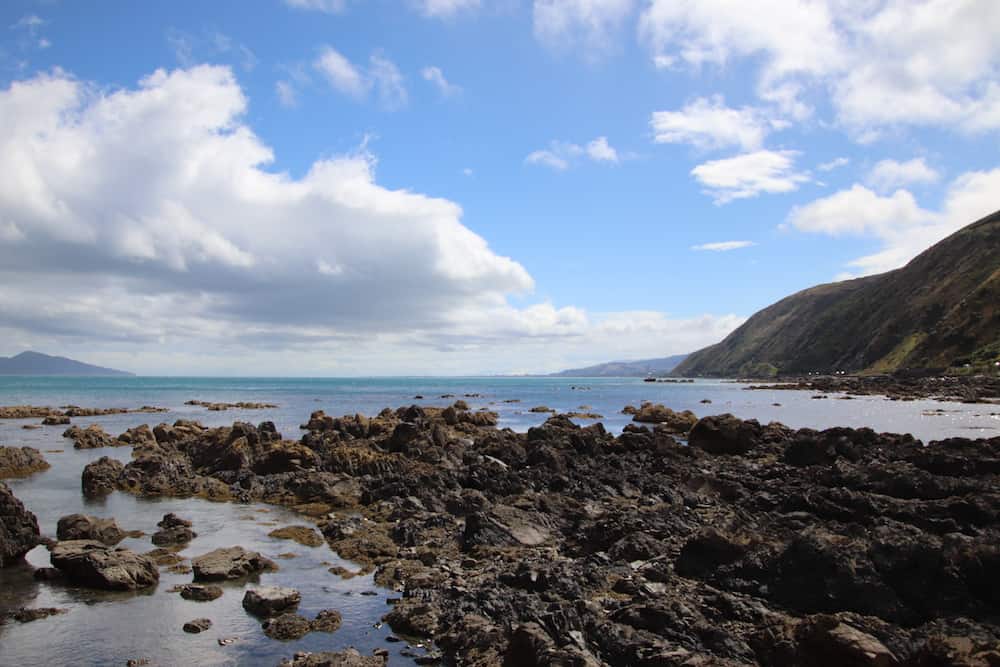
Essential Things to know before traveling to New Zealand
Where is New Zealand?
New Zealand is located in Oceania, in the South Pacific Ocean. New Zealand is about 2,000 km (1,200 miles) east of Australia, separated by the Tasman Sea.
Basic Facts about New Zealand
New Zealand contains the North Island, the South Island, and more than 700 smaller islands. It covers about 268,000 sq km (103,500 sq miles).
Around 4.5 million people live in New Zealand.
The largest city in New Zealand is Auckland, and the capital is Wellington.
The official languages of New Zealand are English, Māori, and New Zealand Sign Language.
the Māori People of New Zealand
The indigenous Māori people of New Zealand originally came to New Zealand by sea from other Polynesian islands around 1280 CE. Around 1500 AD, Māori culture became more tribal and less nomadic. Cultural expression developed what is now considered to be the classic Māori style.
When Europeans arrived in New Zealand around 1800 AD, the Māori, like other indigenous populations, suffered from European diseases and the introduction of alcohol. In 1840, some Māori leaders and representatives of the British Crown signed the Treaty of Waitangi, which established certain rights for the Māori, but ceded governance to the British Crown.
By the 1850s, when New Zealand’s Parliament was established, Māori culture had changed significantly due to contact with Europeans. The Māori had no representation in New Zealand’s parliament, their land rights were ignored, and their complex culture was suppressed.
After decades of discrimination and racial tension, Māori activists began to influence New Zealand’s government. In 1975, the Treaty of Waitangi Act set up the Waitangi Tribunal to evaluate and make recommendations on claims and grievances made by Māori about Crown actions that breach the promise made in the Treaty of Waitangi.
Now, Māori culture plays a large part in New Zealand art and national identity. The Māori language is taught in schools and used in the media. Tā moko, traditional face tattoos, have regained popularity in the last thirty years.
Māori art, including the koru symbol of an unfurling silver leaf frond, is incorporated into logos and designs for many New Zealand brands. The haka, originally performed by warriors before a battle to demonstrate their strength, is now regularly performed by rugby league teams before games.
Fortunately, tourists visiting New Zealand have many opportunities to learn about Māori history and culture. And there are now many government-led initiatives to protect and preserve Māori culture.
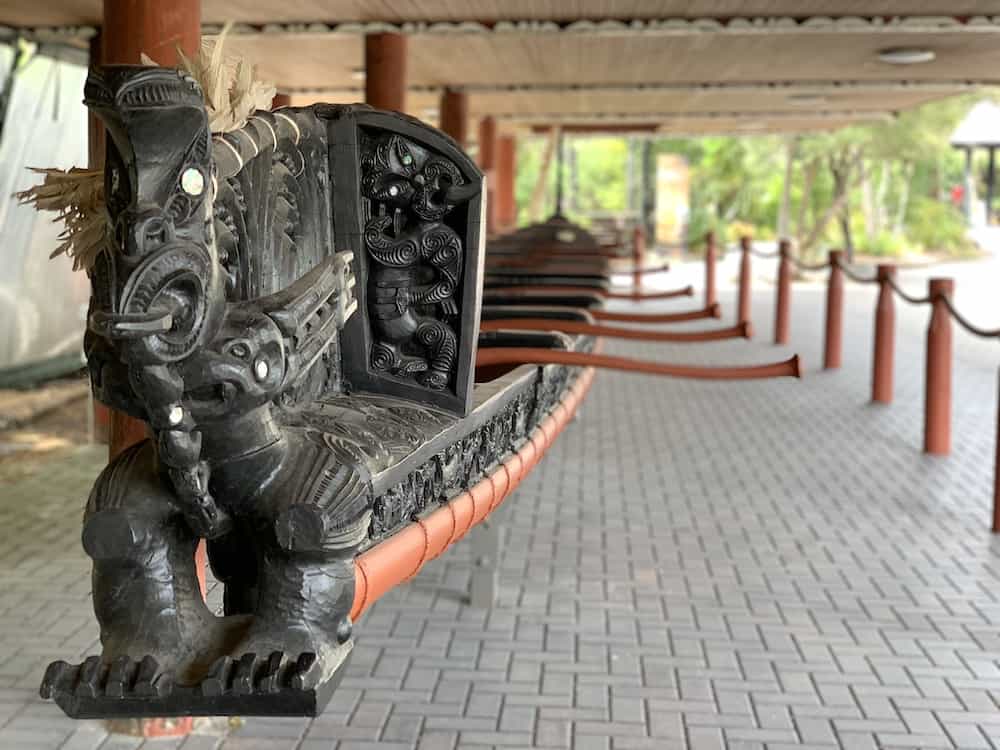
What is New Zealand known for?
New Zealand is known for many things!
- Picturesque and dramatic scenery
- Queensland and outdoor adventure activities
- Sheep
- Kiwi fruit
- Kiwi birds
- friendly locals (also Kiwis)
- laid-back lifestyle
- Māori culture and history
- The Haka
- New Zealand national rugby team (the All Blacks)
- Lord of the Rings and Hobbiton
- Glowworm Caves
- Manuka honey
- Wine
- National parks
- Geothermal activity
- Earthquakes
- The Southern Lights
- Whale watching
- Incredible hiking trails
- Cathedral Cove
- Hot Water Beach
- Rainforests
- Glaciers
- Milford Sound in Fiordland National Park
- Diverse political representation
- Road trips
- Windy Wellington
- Strict biosecurity at customs
- Fishing
- Auckland (including Sky Tower)
- And so much more!
How to get to New Zealand
Most tourists enter New Zealand at one of the several international airports, with most arriving at Auckland.
If you’re flying from Australia, flight time could be as short as 3 hours 30 minutes, depending on which airports you’re flying to and from. But it’s likely to be a longer flight.
If you’re flying from the United States, your flight will last about 13 hours, quite a long flight.
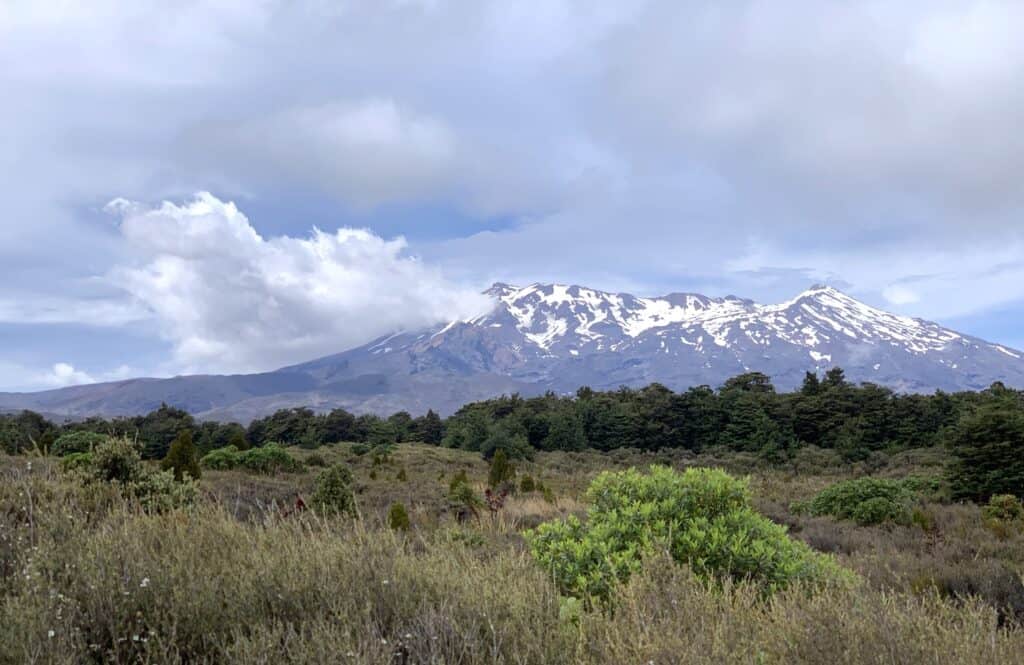
Paperwork required by customs to enter New Zealand
To enter New Zealand, you will need a passport valid for at least three months beyond your date of departure from New Zealand.
You will need a confirmed outbound ticket, documents to enter the country you will travel to from New Zealand, and enough money for your stay.
British citizens can stay in New Zealand for up to six months without a visa. Americans and passport holders from many other countries can stay in New Zealand for up to three months without a visa. Get more info on New Zealand visa requirements here.
Customs and biosecurity in New Zealand
New Zealand has one of the strictest biosecurity customs screening processes in the world. It is essential to protect the unique habitats and native species in New Zealand.
Do NOT bring in any fruit, plants, or seeds into New Zealand. If you do, you may receive a heavy fine.
Place all fruit or questionable foods into the marked amnesty bins before approaching immigration. Be careful to think about everything you have packed in your bag, including snacks you didn’t eat and might have forgotten about.
If you are bringing hiking boots or camping equipment into New Zealand, you will also need to declare it.
Before packing your hiking and camping gear for use in New Zealand, make sure that you thoroughly clean all boots, tents, and gear. Don’t leave any dirt or seeds. Dirty camping gear will not be accepted by NZ customs.
When packing, pack boots and gear so that you can easily access it at the customs checkpoint. Better yet, wear your hiking boots on the plane to New Zealand. That way they can be easily inspected by the NZ customs inspector.
You may have to walk over a disinfecting mat to clean them. Or the customs officer may decide they need to be properly cleaned—which you will be expected to pay for.
We packed our heavy hiking boots at the bottom of our suitcases. That led to some frantic digging at the customs table as we tried to locate all the boots. But fortunately, our boots passed inspection!
New Zealand customs rules are very strict to protect New Zealand’s ecosystem. Fines can be quite high for undeclared items, so be sure to be declare everything.

How to get around New Zealand
Tourists visiting New Zealand have lots of transportation options.
By car or campervan
You can rent a car or a campervan and take a road trip around New Zealand. This is the most popular way to see New Zealand.
You’ll have plenty of options of vehicles to hire and of self-drive itineraries. Note that it’s easy to underestimate driving time around New Zealand, so always allow a little extra time.
By train
New Zealand has three scenic train lines. The Northern Explorer goes between Wellington and Auckland on the North Island.
The Coastal Pacific goes between Picton and Christchurch on the South Island.
And TranzAlpine, also on the South Island of New Zealand, links Christchurch to the rivertown of Greymouth.
There are also suburban commuter trains for getting around Wellington and Auckland.
By ferry
New Zealand’s most famous ferry crossing, between Wellington and Picton, is service by the Interislander and the Bluebridge ferry companies.
There are numerous other ferry services operating in different regions of NZ as well.
By bus
Local city busses can help you get around urban areas, where public transport is a great option. You can travel on national coach companies, like InterCity, to go between towns all around NZ.
Backpackers and younger travelers often choose hop-on hop-off bus companies. Tourists can also book day trips or multi-day excursions by bus.
Busses are a great way to travel in New Zealand without missing out on out-of-the-way destinations and fun activities.
By plane
Domestic flights in New Zealand are quick and reasonably cheap. With 25 destinations around New Zealand, flying is an efficient way to get around the country.
With a tour
Visitors to New Zealand can book a tour to take them from one city to another, with stops in between.

Currency in New Zealand
New Zealand uses the New Zealand dollar.
NZ coins have values of 10, 20, and 50 cents, as well as $1 and $2
NZ banknotes come in values of $5, $10, $20, $50, and $100
Banks in New Zealand are generally open from 9:30 a.m. to 4:30 p.m. Monday through Friday, with limited hours on the weekends. Automated Teller Machines (ATMs) are easy to find on main shopping streets and at bank branches.
International ATM cards with 4-digit pin codes will work at New Zealand ATMS. Of course, be sure to confirm this with your bank and notify them that you will be using the card in New Zealand.
Most major credit cards are accepted in New Zealand. Again, notify the card company that you will be using the card in New Zealand.
Where to stay in New Zealand
New Zealand accommodations range from luxury hotels to very basic campsites. Take note that demand exceeds supply in the summer months, so book accommodations months in advance for travel between December and February.
If you are traveling on a budget, consider staying at a holiday park. These usually have campsites for tent camping as well as caravans, camper bans, and motor homes.
Many holiday parks also have self-contained cabins or lodges. Holiday parks are also great for families because the often have play areas, trampolines, and swimming pools.
Something that was a surprise to me—if you’re renting a vacation home, called a “bach” in New Zealand, linens aren’t usually provided.
Sometimes you can add them for an extra fee, but at many homes you have to bring your own. This might be easy enough for someone visiting from another part of New Zealand, but it’s a bit of a hassle for an overseas tourist.
What to eat and drink in New Zealand
The choices for food and drink in New Zealand are endless. Try some traditional Maori dishes as well as meat pies and fish and chips. Enjoy the fresh fruits and vegetables, lamb, and seafood. For dessert, try the ice cream or a pavlova!
Coffee culture is huge in New Zealand, so you must try a flat white. Don’t miss New Zealand’s very own soft drink, the Lemon & Paeroa (L&P).
If alcohol’s your thing, you’re in the right place. Sauvignon Blanc, Pinot Noir, and Chardonnay are just the start of the wine list. Vodka, apple cider, and craft beer round out the offerings nicely.
If alcohol’s not for you, don’t worry. There are many sophisticated non-alcoholic beverages on offer in New Zealand.
Also, if you have food allergies, eat a gluten-free diet, or have other dietary requirements, you’ll find lots of options in New Zealand. As always, you’ll want to read labels and double check ingredients in restaurants. But we found that New Zealanders take food allergies and intolerances seriously.
Tipping is optional in New Zealand and not expected.
FAQs about Visiting New Zealand
What is the best month to go to New Zealand?
Remember that in the Southern Hemisphere, the seasons are opposite to those in Europe and North America.
The summer season in New Zealand is December through February. It’s peak season, so there are more tourists. It’s also vacation season for Kiwis.
The flip side is that all summer holiday activities are in full swing and you’ll find the best weather. Happily for those coming from the Northern Hemisphere, in New Zealand, you can enjoy long, sunny days, mild evenings, and relaxing summer vibes while everyone back home shivers!
June, July, and August are the winter months in New Zealand. Expect colder weather and more rain. Winter is milder on the North Island than on the South Island. Expect colder temperatures the further south you go.
Autumn and spring are the shoulder seasons when you’ll experience good weather and smaller crowds.
Honestly there is no one best time to visit New Zealand. Whatever time of year you choose to explore New Zealand will be a great option!
What’s the weather like in New Zealand?
Weather in New Zealand varies considerably depending on location and time of year.
The farther north you are in New Zealand, the warmer you’ll be. The North Island is always considerably warmer than the South Island. Queensland is always colder than Auckland.
In summer (December—February), temperatures range from 21-32 C (70-90 F).
In autumn (March—May), temperatures vary from 7-21 C (45-70 F).
In winter (June—August), temperatures range from 1-15 C (35-60 F).
In spring (September —November), temperatures vary from 4.5-18 C (40-65 F).
Expect rain all year long and snow in the winter months (especially on the South Island and at higher elevations).
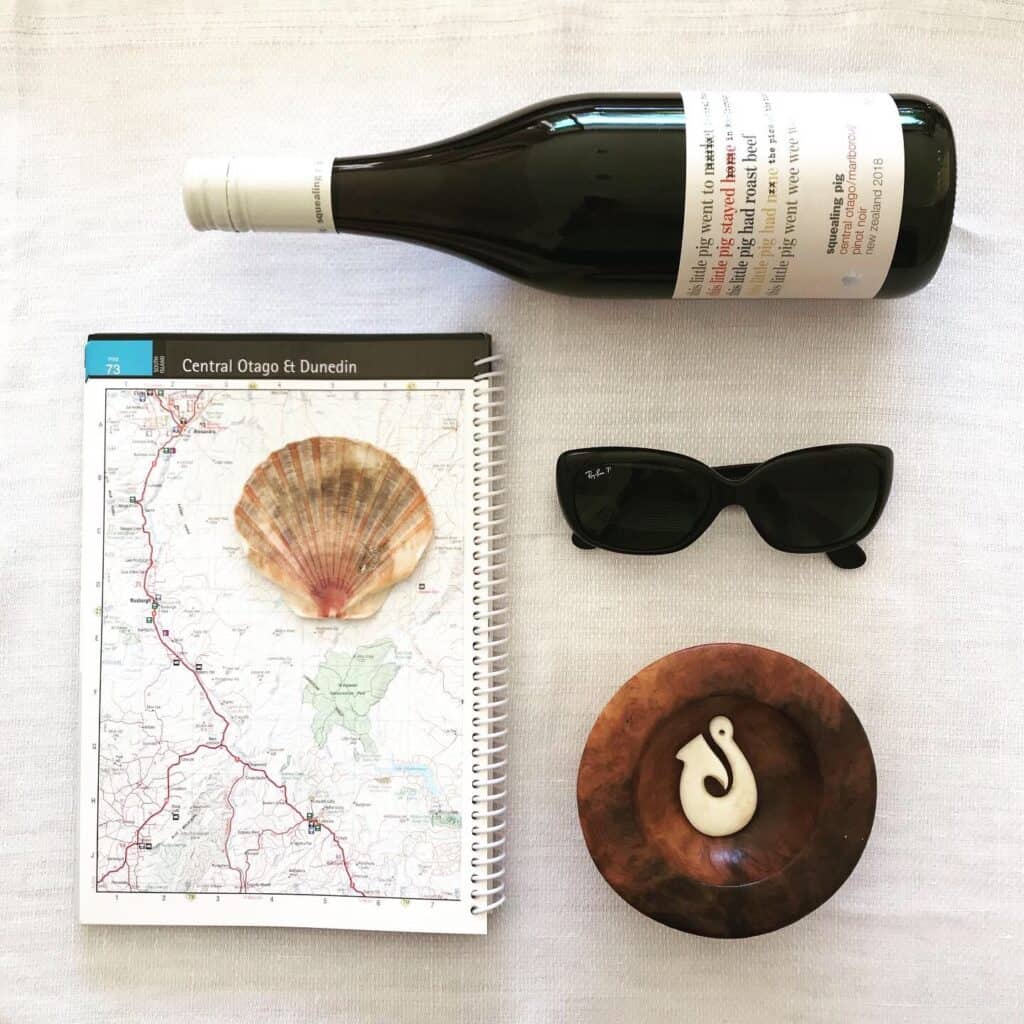
How much does it cost to travel to New Zealand?
How much you will spend on a New Zealand vacation depends on how you plan to travel.
Budget travelers can get by on $50 USD per person per day. This would mean sharing a small camper van, staying at cheap campsites, making your own meals, and skipping big-ticket adventure activities.
Family travelers might spend $100-200 per person per day, depending on the type of accommodations booked, what activities you do, and whether you eat all meals out.
Luxury travelers could easily spend $300 USD per person per day on booked excursions, fancy hotels, and sit down meals.
In addition to the cost of airfare to New Zealand, you’ll need to consider the costs of transportation, accommodations, activities, and tours. Plus, of course, you can’t forget food or souvenirs. Prices for all these things vary tremendously, depending on your travel style.
How many days in New Zealand is enough?
When thinking about a vacation in New Zealand, the first question many people as is: how long do I need to travel New Zealand?
Given time and expense required to get to New Zealand, I think you should allow a minimum of two weeks to see New Zealand. That won’t be near enough time, but you’ll get a taste of what New Zealand has to offer.
Personally, for a two-week holiday to New Zealand, I would choose one island and spend all my time there. If you want to see the North Island and South Island in two weeks, it can be done, but you will spend a lot of time in transit and less time experiencing your destinations.
Is there a rainy season in New Zealand?
Not really. It can (and does) rain any time of year in New Zealand. Generally, rainfall is evenly distributed throughout the year.
Different areas of the country receive different amounts of rainfall annually, depending on topography.
It’s wise to expect rain at some point in the day and always carry a rain jacket with you, no matter what time of year you visit New Zealand.
What should I pack for a trip to New Zealand?
I recommend packing lightly and smartly for New Zealand. Think about what activities you plan to do and any gear you need. Don’t forget to pack sunscreen, a sunhat, and a raincoat!
The things you need for a trip to New Zealand will vary depending on what you plan to do, but here’s a basic New Zealand packing list.
Will my phone work in New Zealand?
Of course, that depends on your cell phone carrier and your international data plan. Typically, cities in New Zealand have good cell reception.
But in many rural parts of the country, cell service is nonexistent. (Which is why I recommend bringing this GPS system with you if you plan on driving in New Zealand, especially if you will drive long distances in remote areas.)
However, you can get a New Zealand SIM card with plenty of data if you like. Depending on the cost of your phone service’s roaming charges, it may or may not be a good deal.
How’s the internet in New Zealand?
Wi-Fi in New Zealand can be spotty or slow. It can also be expensive.
Many people and businesses pay for limited internet. So don’t expect unlimited Wi-Fi. You may be charged for using the internet. Be sure and ask when you check in to your accommodations.
How far in advance to book a trip to New Zealand?
If you’re traveling during the summer months, I strongly suggest booking your rental car, accommodations, and tours four to ten months out.
If you’re planning a trip to New Zealand, keep your eye on flight prices. Book as soon as you find a great fare. You’ll probably want to purchase your flight to New Zealand at least five weeks before you fly.
Do I need a visa to enter New Zealand?
Tourists holding passports from some countries and territories, including the United States, don’t need a visa.
However, travelers from visa waiver countries and territories must get a New Zealand Electronic Travel Authority (NZeTA) before travelling. It can take 10 minutes to 72 hours to process the NZeTA, so allow plenty of time.
When you get the NZeTA, you also pay an International Visitor Conservation and Tourism Levy (IVL). You pay a small fee and submit personal information online or through an app, and you’re cleared to enter New Zealand.
New Zealand travelling on New Zealand passports and Australian citizens traveling Australian passports do not need an NZeTA.
Check here to see if you need to apply for a visa to enter New Zealand.
How to start planning your trip to New Zealand
For many tourists, a trip to New Zealand is a once-in-a-lifetime dream. Thinking “how do I plan a trip to New Zealand?” can feel completely overwhelming!
Because New Zealand is so far from everywhere (except Australia!), travel to NZ is expensive and time consuming. It’s important to take the time to carefully plan your visit to New Zealand to ensure you see and do the things that are most important to you.
However, it’s essential to set a realistic itinerary. Allow plenty of time to get from one place to the next, as travel times can take longer than expected.
Have room in your agenda to reschedule tours or activities if the weather doesn’t cooperate.
And take time to relax and enjoy your vacation, rather than stressing yourself out by rushing from one destination to another.

Essential questions to ask to plan your holiday in New Zealand
Decide when you will visit New Zealand
Most tourists want to visit New Zealand in the summer when the weather is best. New Zealanders are also holidaying then, so expect more traffic and bigger crowds.
Fall and spring are less popular times to visit, so you’ll find better prices on flights and accommodations.
If you want to ski or experience other winter sports in New Zealand, the winter months are the perfect choice.
How much time should you spend in New Zealand?
This decision about how long to stay in New Zealand depends on so many personal factors. Ideally, you’d spend at least two weeks exploring different areas of New Zealand.
If you only have a few days to be in New Zealand, consider staying in one place, taking an organized tour or daytrips, and focusing a few highlights.
Remember, unless you’re coming from Australia, your flight to New Zealand will be very long, and you will need some time to adjust to the time change. Give yourself a few days at your city of arrival to take it easy and recover from jet lag.
The only correct answer to this question is, “As much as you can.”
Decide how much money to spend on your trip to New Zealand
No two ways about it—traveling to New Zealand is pricey.
You’ll need to budget for airfare, transportation, accommodations, tours and activities, and food, as well as souvenirs! Prices for all these things vary tremendously, depending on if your style is luxury or budget.
Who is traveling to New Zealand?
New Zealand is perfect for family travel and a safe place for solo travelers. New Zealand is also an ideal romantic destination for couples.
Think of the interests and needs of each traveler and plan accordingly.
How will you get around New Zealand?
Visitors to New Zealand can rent a car or camper van to travel independently. In my opinion, renting a car and driving around New Zealand is by far the best way to travel around NZ.
If you don’t want to drive, you can take busses, travel by train, or even fly between cities. Tourists can also book vacation packages with organized transportation.
What is the best way to see New Zealand depends so much on your preferences and budget. Here are my suggestions for which type of transportation you should choose to travel around New Zealand:
Solo traveler to NZ
If you are comfortable driving on the left side of the road and have the budget for it, rent a car.
If you don’t want to drive by yourself, travel by bus, train, and ferry. Then use local transportation or ride sharing to get to exactly where you want to go.
If you want to meet new people, buy tickets on a hop-on hop-off bus that caters to backpackers and other solo travelers.
A couple traveling to NZ
A self-driving tour is the perfect way to see New Zealand, especially when you can take turns driving and have someone to help you navigate New Zealand roads.
If you’re going to be traveling for an extended period of time and want to camp, rent a campervan instead of a car.
A group vacation to NZ
Rent an SUV for comfortable travel or a campervan if you’re on a budget and plan to camp. You’ll be making the memories of a lifetime together!
Family trip to NZ
Depending on the size of your family, a car or SUV would be the ticket. Again, if you want to camp, go for the campervan. A campervan road trip is the perfect way to maximize your time together!
I really recommend a self-drive vacation for families, so you have the flexibility to travel at your own pace and spend plenty of time at sites that interest the kids.

What’s most important to you to see and do in New Zealand?
Are you making a pilgrimage to Middle Earth? Do you want to see all things Lord of the Rings?
Are you an adrenaline junkie looking for the best outdoor recreation sites?
Are you a history buff or museum lover looking to learn more about this spectacular country? Do you just want to soak in New Zealand’s natural beauty?
Plan a New Zealand itinerary that covers all of your New Zealand must-dos. You can see a lot on a one-week New Zealand road trip, and even more with a two- or three-week road trip itinerary.
Where to go in New Zealand?
Will you visit the North Island, South Island, or both?
Here’s an overview of the regions of New Zealand and what you’ll find there.
North Island
New Zealand’s North Island has more cities and more people. Here’s what you don’t want to miss on the North Island.
Northland
Here you’ll find a subtropical climate, sandy white beaches, Cape Reinga, Ninety-Mile Beach, and the Bay of Islands.
Auckland
Home to New Zealand’s largest city, Auckland is host to excellent museums, great shopping, three wine regions, beaches, and two harbors.
Coromandel
The Coromandel Peninsula boasts Hot Water Beach, Cathedral Cove, endless forests, and spectacular beaches.
Waikato
Home to Hamilton and Matamata, Waikato highlights include the glowworm caves, Hobbiton, and the surfing town of Raglan.
Bay of Plenty
Bay of Plenty is a beautiful region known for its kiwi orchards, beautiful beaches, sunny weather, boat trips, and White Island. Climb Mt. Maunganui and relax in Papamoa.
Rotorua
New Zealand’s geothermal hotspot, Rotorua boasts natural hot water springs, Maori history, and mountain biking trails.
Eastland
This region features Gisborne, the first city in the world to see the sun rise on each new day. Don’t miss Te Urewera National Park, spectacular beaches, Maori history, or the wineries.
Taupo
With Lake Taupo at the center of the region, highlights include hot springs, Huka Falls, and Lake Taupo itself.
Ruapehu
See Tongariro National Park and hike the Tongariro Alpine Crossing. You can try outdoor sports such as skiing, rock climbing, abseiling, rafting, canoeing, and fishing.
Hawke’s Bay
Hawke’s Bay boasts Napier, known for its Art Deco architecture, and Hastings, the perfect home base for visiting the thirty-some wineries in the region. Don’t miss the gannet sanctuary at the tip of Cape Kidnappers, Splash Planet waterpark, or the National Aquarium of New Zealand.
Taranaki
Check out the black sand beaches of New Plymouth and hike through Egmont National Park, under the shadow of Mt. Taranaki, a volcano that dominates the skyline.
Wanganui-Manawatu
Explore the Wanganui river in a canoe, kayak, or paddle steamer, or by fly-fishing. Adrenaline junkies will find plenty to do. You can also check out the lavender and herb gardens, formal English gardens, and country garden tours in the area.
Wairarapa
Explore adventure activities like jetboating, hot air ballooning, and horse trekking. Visit the seal colony on Cape Palliser and try a variety of wines from the region.
Wellington
The windy capital of New Zealand, Wellington boasts a lovely waterfront, excellent museums and cafes, New Zealand’s Parliament building (the Beehive), a cable car, Weta Workshop, Mount Victoria, and so much more.
South Island
New Zealand’s South Island is more rugged and rural. These are some of the highlights of the South Island.
Nelson
Nelson boasts a community of artists, including painters, glassblowers, and potters. Visit Nelson Lakes National Park, Kahurangi National Park, and Abel Tasman National Park. Adventure sports, delicious food, and excellent wine abound.
Marlborough
You can sail, dive, or fish in the beautiful coves and waterways of Marlborough. Don’t miss the vineyards or the isolated sounds, home to birds and sealife.
West Coast
Visit Paparoa National Park, Punakaiki pancake rocks, Hokitika’s craft galleries, Whataroa’s white heron sanctuary, and Karamea’s Oparara arches and honeycomb caves. See Fox Glacier and Franz Josef Glacier.
Christchurch
Christchurch is the South Island’s largest city. It hosts several annual events and festivals, art galleries, and theatre. Enjoy the fresh local food and wine, lovely streets and parks, and the International Antarctic Centre.
Canterbury
Go whale watching from Kaikoura, visit the Southern Alps, take the TranzAlpine railroad, and learn about the history of New Zealand. Expect more jaw-dropping scenery.
Mt. Cook
Be awed by Mount Cook, New Zealand’s highest mountain. Explore spectacular scenery, glacial lakes like Lake Tekapo, heli-hiking and heli-skiiing, and look for lupines.
Wanaka
Beautiful Lake Wanaka reflects the mountains surrounding it. Enjoy incredible skiing in the winter months and hiking, mountain biking, and fishing the rest of the year.
Queenstown
Queenstown is the place to go for alpine activities in New Zealand, with four world-renowned ski fields. It’s also the home of bungy jumping. More sedate activities include fishing, taking in spectacular scenery, winery visits, trips to historic villages, and shopping.
Dunedin
Take a wildlife tour to see yellow-eyed penguins, blue penguins, cormorants, albatross, and fur seals. Take in the Edwardian architecture and history museums.
Fjordland
Drive one of the most spectacular alpine drives to arrive in Milford. Cruise Milford Sound and Doubtful Sound in hopes of seeing bottlenose dolphins, fur seals, and plunging waterfalls. While there, visit the glowworm caves and explore the area’s many hiking trails.
Otago
Explore historic mining towns and historic sites, cycling trails, and the Central Otago Arts Trail. Visit the vineyards to try some Pinot Noir. Go to Wanaka for an Instagram pic with that Wanaka tree.
Southland
In the very southern tip of New Zealand, hang out in Invercargill, try a farmstay, visit Catlins Forest Park, and escape to Stewart Island.
Honestly, unless you’re able to stay in New Zealand for a long time, you just won’t be able to see everything. New Zealand is a small country—but it’s still pretty big and there are a lot of beautiful places to see and fun things to do.
Step-by-step Guide to planning your trip to New Zealand
How I planned my family’s trip to New Zealand
What does everyone want to do in New Zealand?
First, I know them really well, so I knew what they would most want to do.
My list included educational activities, museums, New Zealand history, culture, and government.
My husband wanted to see the Lord of the Rings sites, including Hobbiton.
And My daughters were interested in marine biology, outdoor activities, and fun kid stuff.
Create a personalized itinerary for your New Zealand vacation
Then I researched all possible things we could do in New Zealand. I created a massive list of things we would enjoy doing. Then I put all those activities on a Google map.
Then I created sample itineraries estimating how long it would take to travel between locations using Google Maps. If there were multiple possible routes between destinations, I experimented with different options to find routes that let us go where we wanted and cover the most ground.
I also made a list of how long we should spend at each site or activity. I allowed time for stretch breaks and more restful days. Then I tallied up the activity time and drive time.
Then I kept cutting activities until I had a reasonable itinerary. Narrowing down the list of everything you want to do in New Zealand is the hardest part of making a plan for New Zealand!
The perfect formula to plan your trip to New Zealand
Still not sure what to do in New Zealand? Here are the components of the perfect formula to make the most of your visit to New Zealand.
- Visit a city
- Go to a beach
- See mountains
- Take a hike
- Try an outdoor adventure activity
- Visit a museum or cultural site
- Learn about Maori culture
- See animals (whale watching, an animal sanctuary, an aquarium, etc.)
- Eat great food
Find the proportions that work for you and keep repeating that formula! Choose the best places to visit and best things to do based on your interests and activity levels.
Then, prioritize where you want to go and allow enough time to enjoy you vacation!
Final thoughts on how to plan a vacation to New Zealand
Whether you’re an outdoor enthusiast, beachcomber, LOTR fan, or museum goer, New Zealand has something for you. There are so many great things to see and do in New Zealand, it will be hard to choose.
If you’re planning a romantic vacation, family travel, a solo trip, or a holiday with friends, New Zealand will leave you with amazing memories.
You can have an incredible experience in New Zealand if you are a budget traveler or if you prefer luxury travel.
With its stunning scenery, unique culture, and endless adventures, New Zealand is truly one of a kind.
Remember to do your research, create a flexible itinerary, and pack for all types of weather.
Be open to trying new things and embracing the Kiwi way of life.
Whether you’re exploring the mountains, lounging on the beaches, or enjoying a glass of local wine, there’s something for everyone in this beautiful country.
So what are you waiting for? Start planning your dream vacation to New Zealand today!


